
Jean Baptiste Point du Sable, el primero en asentarse
A Black trader built the first permanent home at the mouth of the Chicago River. Much of his story is still a mystery.
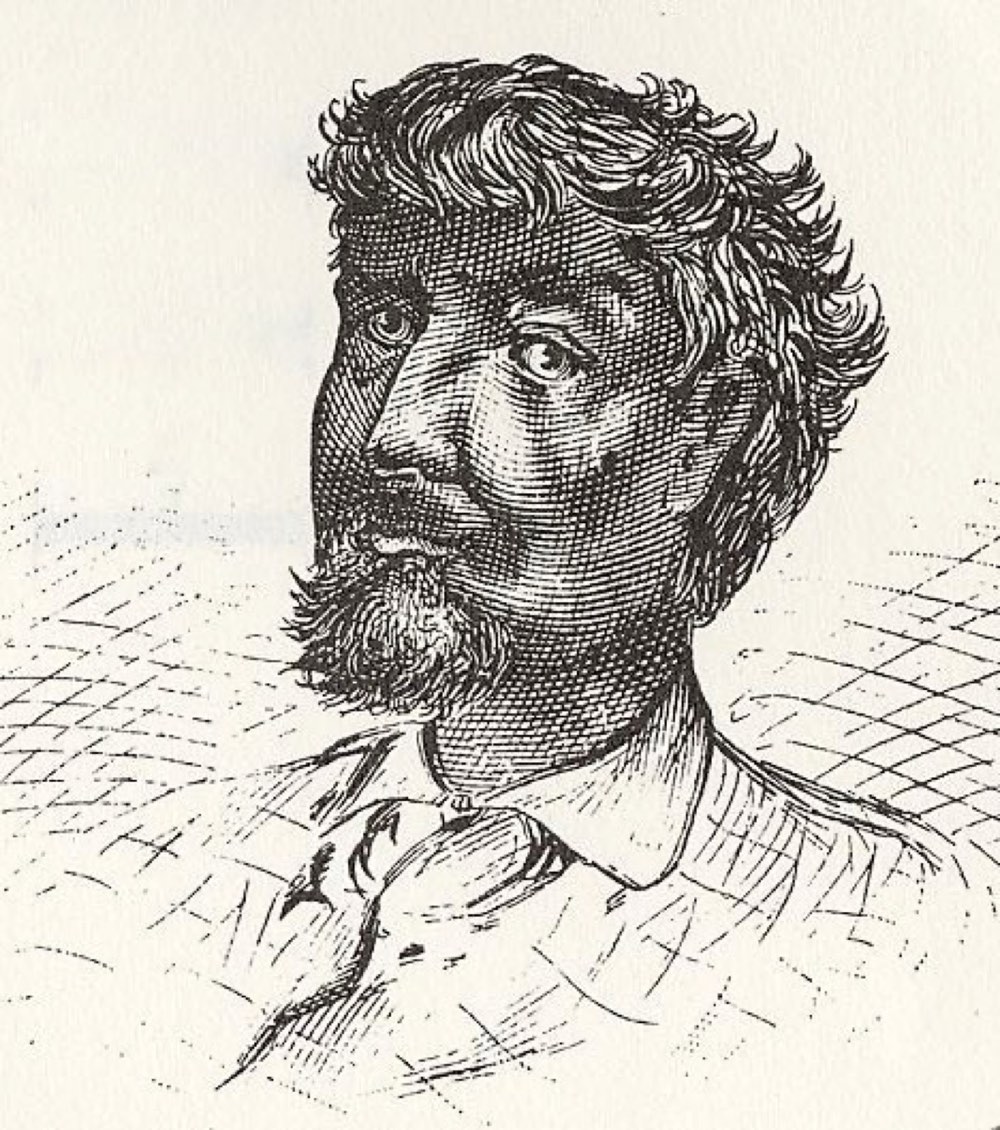
The City of Chicago recognizes Jean Baptiste Point du Sable as its first permanent non-Indigenous settler. Yet, as the Field Museum puts it, his early life is "essentially a mystery." A traditional account says he was born around 1745 in Saint-Marc, in what is now Haiti, to a French father and an enslaved African mother; historians note that no records of his life before the 1770s have been found.
Sources differ on when he arrived. The Field Museum says he was established in the area by 1778; other accounts place his settlement in the 1780s. What is agreed is where: on the north bank of the Chicago River near its mouth, close to today's 401 N. Michigan Ave. There he ran a trading post.
He married Kitihawa, a Potawatomi woman also known as Catherine. In May 1800, he sold all of his property in Chicago. Who bought it and for how much is still debated; some accounts name Jean La Lime, acting for the trader John Kinzie. Du Sable moved on and died on Aug. 28, 1818, in St. Charles, Missouri.
Recognition came late but grew. The homesite was named a National Historic Landmark in 1976. The DuSable Museum of African American History carries his name, and in 2021 the City Council voted to rename Lake Shore Drive in his honor. No portrait of him from his lifetime is known to exist.
- Field Museum, "Who was Jean Baptiste Pointe DuSable?"
- National Park Service, National Register record for the homesite
- Wikipedia, "Jean Baptiste Point du Sable" (for the sale and the 1788 marriage record)
Recibe Chicago en tu correo
Tu barrio, cinco historias y el clima, cada día entre semana a las 6 a.m. Gratis. Cancela tu suscripción con un clic, cuando quieras.