
El año en que Chicago hizo que su río corriera al revés
To keep sewage out of its drinking water, the city sent the Chicago River away from Lake Michigan.
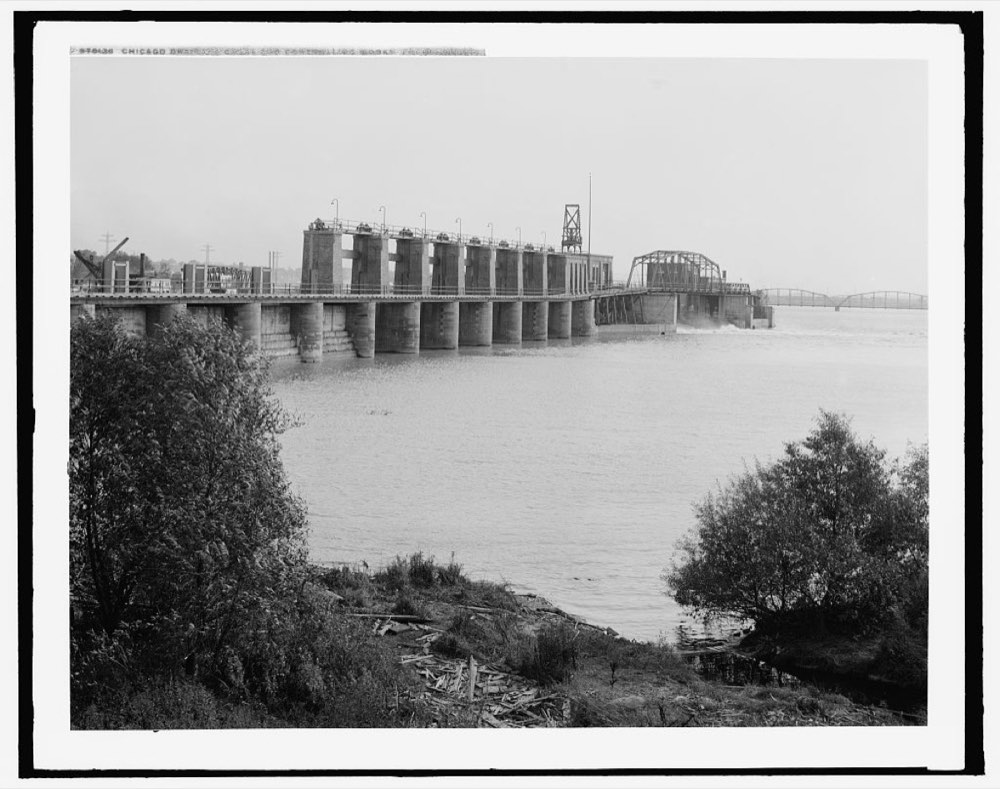
For most of the 1800s, the Chicago River carried the growing city's waste straight into Lake Michigan, the same lake Chicago drank from. The Metropolitan Water Reclamation District, which traces its history to that time, lists the fear of waterborne illness and the quality of the lake water as the reasons for what came next.
On May 29, 1889, Illinois approved the act that created the Sanitary District of Chicago. Its big job was a new channel, the Chicago Sanitary and Ship Canal, a waterway of about 28 miles. When it opened, the river would flow away from the lake, toward the Des Plaines and Illinois rivers.
The reversal was officially completed on Jan. 2, 1900. Downstream, not everyone celebrated: Missouri sued Illinois in the U.S. Supreme Court that same January. The case took six years. In 1906, in an opinion by Justice Oliver Wendell Holmes, the court dismissed Missouri's suit.
The river still runs away from the lake today, and the district that reversed it calls the work an engineering triumph that transformed the city.
- Metropolitan Water Reclamation District, History
- Metropolitan Water Reclamation District, "Chicago River's reversal in 1900 was an engineering triumph"
- Missouri v. Illinois, 200 U.S. 496 (1906)
Recibe Chicago en tu correo
Tu barrio, cinco historias y el clima, cada día entre semana a las 6 a.m. Gratis. Cancela tu suscripción con un clic, cuando quieras.